A Caribbean Vacation Destination In St. Vincent And The Grenadines.
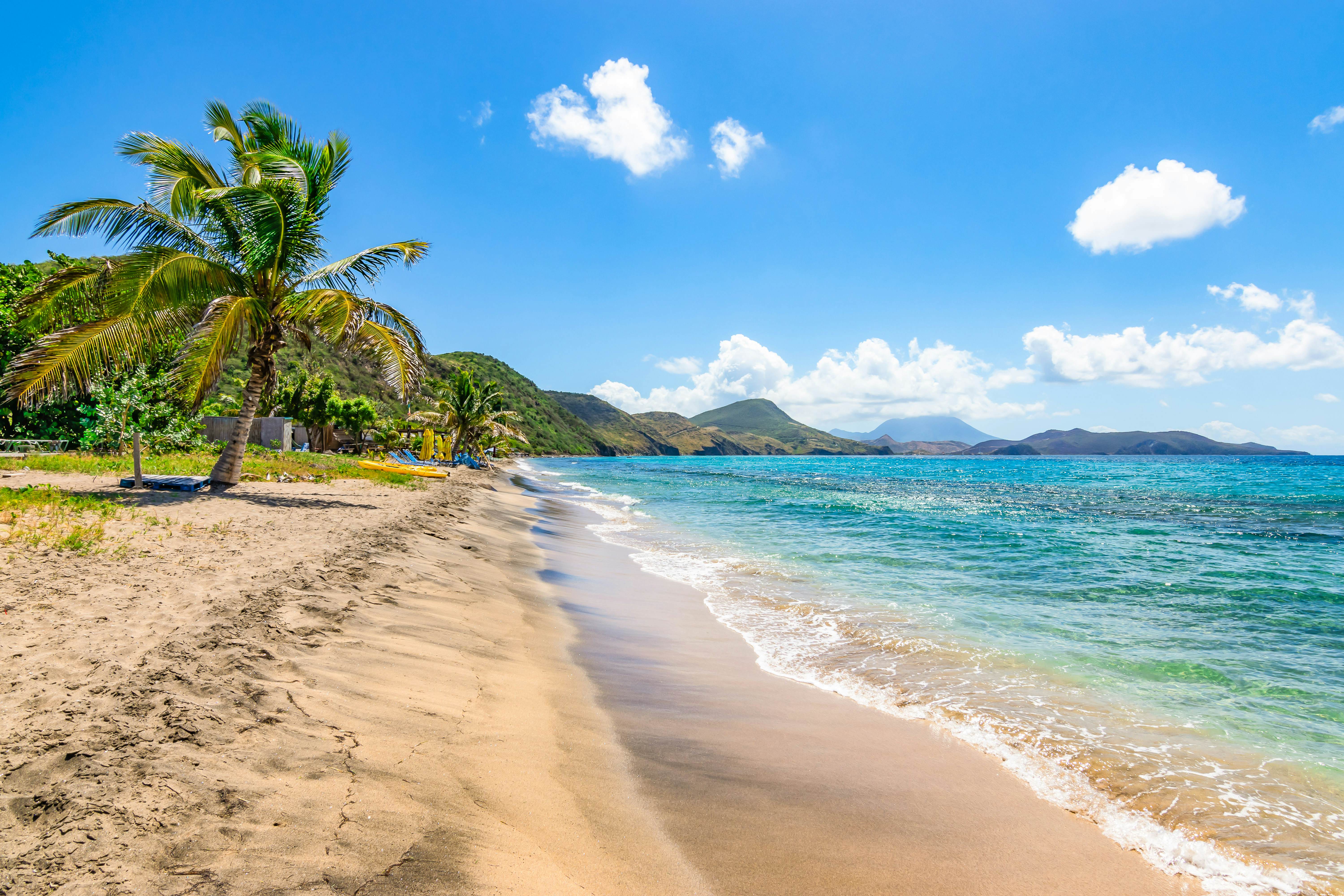
St. Vincent and the Grenadines, a multi-island nation in the Caribbean, presents a unique and captivating vacation destination. Its diverse landscape, ranging from volcanic peaks to coral reefs, combined with its rich cultural heritage, offers an unforgettable experience. Planning a trip requires careful consideration of seasonal variations and climate patterns to maximize enjoyment and avoid potential inconveniences.
Understanding the Climate of St. Vincent and the Grenadines
The islands enjoy a tropical maritime climate characterized by warm temperatures year-round, moderated by steady trade winds. Average daytime temperatures hover around 84°F (29°C), with only minor fluctuations throughout the year. However, rainfall and humidity levels exhibit more pronounced seasonal variations, significantly influencing the optimal timing for a visit.
Rainfall Patterns
The wet season extends from June to November, with the highest rainfall typically occurring in September and October. During this period, brief, intense showers are common, and the risk of hurricanes is elevated. While the rain rarely lasts all day, it can disrupt outdoor activities and create humid conditions.
The dry season spans from December to May, bringing significantly less rainfall and lower humidity. This period is characterized by sunny skies, gentle breezes, and comfortable temperatures, making it the most popular time for tourism.
Hurricane Season
The Atlantic hurricane season officially runs from June 1st to November 30th. St. Vincent and the Grenadines lie within the hurricane belt and are susceptible to these powerful storms. Although direct hits are relatively infrequent, the islands can experience the outer bands of hurricanes, bringing heavy rain, strong winds, and rough seas. It is essential to monitor weather forecasts and heed any warnings issued by local authorities during this period.
Peak Season vs. Off-Peak Season: Weighing the Pros and Cons
Choosing between the peak and off-peak seasons involves evaluating various factors, including weather preferences, budget considerations, and tolerance for crowds.
Peak Season (December to May)
The peak season offers the most favorable weather conditions, with minimal rainfall, sunny skies, and comfortable temperatures. The sea is typically calm, ideal for swimming, snorkeling, and boating. However, these advantages come at a price.
Pros
Optimal weather conditionsfor outdoor activities.
Calm seasfor water sports and sailing.
Festive atmosphere, with numerous events and celebrations.
Cons
Higher pricesfor flights, accommodations, and tours.
Larger crowdsat popular attractions and beaches.
Limited availabilityof accommodations and tours.
Off-Peak Season (June to November)
The off-peak season presents a different set of trade-offs. While the weather is less predictable, with higher rainfall and humidity, it also offers several advantages.
Pros
Lower pricesfor flights, accommodations, and tours.
Fewer crowdsat attractions and beaches.
More opportunitiesfor authentic cultural experiences.
Lush landscapesdue to increased rainfall.
Cons
Higher rainfalland humidity, potentially disrupting outdoor activities.
Risk of hurricanesand tropical storms.
Rougher seas, which may limit water sports.
Special Events, Festivals, and Natural Phenomena
Timing a visit to coincide with special events, festivals, or natural phenomena can enhance the vacation experience. St. Vincent and the Grenadines hosts several cultural celebrations throughout the year, offering insights into the local traditions and customs.
Vincy Mas (June/July)
Vincy Mas, St. Vincent's annual carnival, is a vibrant and energetic celebration featuring colorful costumes, lively music, street parades, and cultural performances. The festival typically takes place in late June and early July, attracting both locals and tourists alike.
Bequia Music Fest (January)
Held on the idyllic island of Bequia, the Bequia Music Fest showcases a diverse range of musical talent, from local Caribbean artists to international performers. The festival offers a relaxed and intimate atmosphere, attracting music lovers from around the world.
Nine Mornings Festival (December)
Unique to St. Vincent and the Grenadines, the Nine Mornings Festival is a pre-Christmas celebration that involves waking up before dawn for street parades, carol singing, and various cultural activities. The festival culminates on Christmas Eve with a grand parade in Kingstown.
Whale Watching Season (November to May)
The waters around St. Vincent and the Grenadines are home to several species of whales and dolphins. Whale watching tours are available during the season (November to May), providing opportunities to observe these magnificent creatures in their natural habitat.
Unique Seasonal Attractions and Activities
Certain attractions and activities are best enjoyed during specific times of the year due to weather conditions or seasonal events.
Sailing and Yachting (December to May)
The dry season offers ideal conditions for sailing and yachting, with calm seas, steady trade winds, and clear skies. The Grenadines are renowned for their pristine anchorages, secluded beaches, and vibrant marine life, making them a paradise for sailing enthusiasts.
Hiking and Volcano Climbing (December to May)
The dry season is also the best time for hiking and exploring the mountainous interior of St. Vincent. The iconic La Soufrière volcano is a popular hiking destination, offering stunning views of the surrounding landscape.
Scuba Diving and Snorkeling (Year-Round)
Scuba diving and snorkeling are popular activities year-round, but visibility is generally better during the dry season. The coral reefs around the islands are teeming with marine life, including colorful fish, sea turtles, and various invertebrates.
Turtle Nesting Season (March to August)
Several species of sea turtles nest on the beaches of St. Vincent and the Grenadines. Turtle nesting season typically runs from March to August, offering opportunities to witness these endangered creatures laying their eggs or hatchlings emerging from their nests. Conservation efforts are in place to protect the turtles and their nesting sites.
Expert Insights on Timing a Visit
Choosing the right time to visit St. Vincent and the Grenadines depends on individual preferences and priorities. Those seeking optimal weather conditions and don't mind paying a premium should consider the peak season (December to May). Budget-conscious travelers who are willing to accept some rain and humidity may find the off-peak season (June to November) more appealing.
"The shoulder seasons –late November/early December and late May/early June– often provide a sweet spot, with good weather, fewer crowds, and moderate prices," notes a seasoned travel consultant specializing in Caribbean destinations.
For specific interests, such as whale watching or turtle nesting, it is crucial to plan the trip accordingly. Researching local events and festivals can also enhance the cultural immersion and create lasting memories.
Ultimately, a well-planned trip to St. Vincent and the Grenadines, taking into account the seasonal variations and climate patterns, promises an unforgettable Caribbean vacation experience. The islands offer a diverse range of activities and attractions to suit every taste and budget, ensuring a memorable and rewarding getaway.


Comments
Post a Comment