A Caribbean Scuba Diving Vacation.
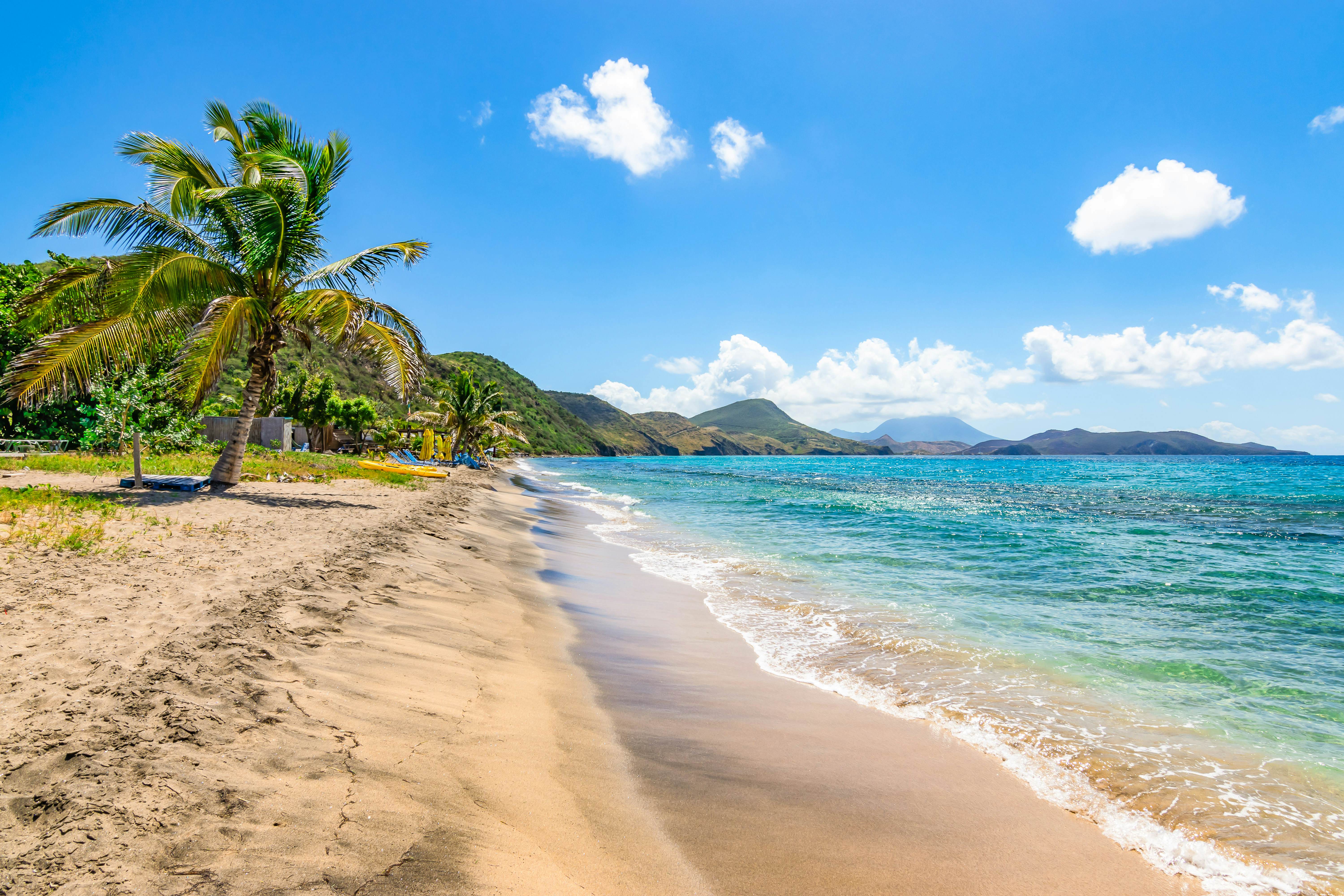
A Caribbean scuba diving vacation is a dream for many underwater enthusiasts. The allure of crystal-clear turquoise waters, vibrant coral reefs, and a dazzling array of marine life is simply irresistible. However, planning the perfect scuba diving trip involves more than just choosing a destination; timing is crucial. The Caribbean experiences seasonal variations that can significantly impact visibility, water conditions, and even the types of marine life you encounter. This comprehensive guide explores the best time to embark on a Caribbean scuba diving vacation, taking into account climate patterns, seasonal variations, and special events.
Understanding the Caribbean Climate
The Caribbean enjoys a tropical climate, characterized by warm temperatures year-round. However, there are distinct seasons that divers should be aware of: the dry season and the wet season.
The dry season typically runs from December to May. During this period, the region experiences lower humidity, less rainfall, and generally calmer seas. This makes it the most popular time for tourism, including scuba diving. The waters are usually clearer, offering excellent visibility for exploring the underwater world.
The wet season, also known as hurricane season, spans from June to November. This season is characterized by higher humidity, increased rainfall, and the potential for tropical storms and hurricanes. While the risk of severe weather is a factor, it's important to note that not all islands are equally affected, and there are still plenty of opportunities for diving during this time.
Temperature and Water Conditions
Air temperatures in the Caribbean typically range from the mid-70s to the mid-80s Fahrenheit year-round. Water temperatures are similarly consistent, generally hovering between 75°F and 85°F. This means that a wetsuit is usually sufficient for diving, although some divers may prefer a thicker suit or a hooded vest for added warmth, especially during longer dives.
During the dry season, the seas tend to be calmer, resulting in better visibility. Visibility can often exceed 100 feet, allowing divers to fully appreciate the vibrant coral reefs and marine life. The wet season can bring rougher seas and reduced visibility due to increased rainfall and runoff. However, even during this time, there are often periods of calm weather and clear water, particularly in areas sheltered from the open ocean.
Peak Season vs. Off-Peak Season: Diving Considerations
The Caribbean's peak season coincides with the dry season, from December to May. The off-peak season corresponds with the wet season, from June to November. Each season has its own advantages and disadvantages for scuba diving.
Peak Season (December to May)
Pros
Excellent Visibility: Calm seas and minimal rainfall contribute to exceptional underwater visibility, often exceeding 100 feet. Ideal Weather Conditions: Sunny skies, low humidity, and gentle breezes create pleasant topside conditions for relaxing on the beach or exploring the islands. Calm Seas: Easier boat rides to dive sites, reducing the risk of seasickness and ensuring a more comfortable experience. Reliable Dive Operations: Dive operators run their full schedules with more frequent trips to popular dive sites.
Cons
Higher Prices: Accommodations, flights, and dive packages are typically more expensive during peak season due to increased demand. Crowds: Popular dive sites and tourist attractions can be crowded, potentially impacting the overall experience. Booking in Advance:Essential to book accommodations, dive trips, and tours well in advance to secure availability.
Off-Peak Season (June to November)
Pros
Lower Prices: Significant savings on accommodations, flights, and dive packages, making it a more budget-friendly option. Fewer Crowds: Enjoy less crowded dive sites and beaches, providing a more relaxed and intimate experience. Lush Landscapes: The increased rainfall transforms the islands into vibrant green landscapes, offering stunning scenery for topside exploration. Unique Marine Life Encounters: Certain marine species, such as nesting sea turtles, may be more prevalent during this time of year.
Cons
Hurricane Risk: The potential for tropical storms and hurricanes is a concern, requiring careful monitoring of weather forecasts. Variable Visibility: Increased rainfall and runoff can reduce underwater visibility, although there are often periods of clear water. Rougher Seas: Seas can be rougher, potentially leading to less comfortable boat rides and fewer dive site options. Limited Dive Operations: Some dive operators may reduce their schedules or close temporarily during the off-peak season.
Timing Your Visit for Special Events and Natural Phenomena
Beyond the general seasonal variations, the Caribbean offers a range of special events and natural phenomena that can enhance a scuba diving vacation. Timing your visit to coincide with one of these events can create an unforgettable experience.
Whale Shark Encounters
Certain Caribbean islands, such as Isla Mujeres in Mexico and Utila in Honduras, are known for whale shark encounters. These gentle giants migrate through the area during specific times of the year, typically from May to September. Diving or snorkeling with whale sharks is a truly awe-inspiring experience. It's essential to choose a responsible tour operator that adheres to ethical guidelines for interacting with these magnificent creatures.
Sea Turtle Nesting and Hatching
Sea turtles nest on many Caribbean beaches, with nesting season varying depending on the species and location. Generally, nesting occurs from May to November, and hatching takes place from July to January. Witnessing a sea turtle nesting or hatchlings making their way to the ocean is a truly magical sight. Many conservation organizations offer guided tours and volunteer opportunities to help protect sea turtles and their nesting sites.
Coral Spawning
Coral spawning is a remarkable natural phenomenon that occurs annually on many coral reefs. During spawning, corals release eggs and sperm into the water, creating a spectacular underwater blizzard. The timing of coral spawning varies depending on the species and location, but it typically occurs a few days after a full moon in late summer or early fall. Witnessing coral spawning is a unique and unforgettable diving experience.
Festivals and Cultural Events
The Caribbean is renowned for its vibrant culture and lively festivals. Many islands host annual events that showcase their music, dance, cuisine, and traditions. Some popular festivals include Carnival in Trinidad and Tobago, Crop Over in Barbados, and Reggae Sumfest in Jamaica. Attending a festival can add a cultural dimension to a scuba diving vacation.
Unique Seasonal Attractions and Activities
In addition to special events, the Caribbean offers unique seasonal attractions and activities that can enhance a scuba diving trip.
Diving with Manta Rays
Manta rays are graceful and intelligent creatures that can be found in various parts of the Caribbean. Certain locations, such as Grand Cayman and the Turks and Caicos Islands, are known for their manta ray encounters. The best time to dive with manta rays is typically during the dry season when visibility is optimal.
Wreck Diving
The Caribbean is home to numerous shipwrecks, ranging from historic galleons to modern freighters. Wreck diving offers a unique opportunity to explore the underwater history and marine life that has colonized these artificial reefs. Some popular wreck diving sites include the RMS Rhone in the British Virgin Islands and the Bianca C in Grenada. Wreck diving is generally best during the dry season when visibility is better.
Cave Diving
For experienced divers, cave diving offers an exhilarating and challenging adventure. The Caribbean has several cave systems, including those in the Dominican Republic and Mexico's Yucatan Peninsula. Cave diving requires specialized training and equipment and should only be undertaken with qualified instructors.
Shore Diving
Many Caribbean islands offer excellent shore diving opportunities, allowing divers to explore reefs and wrecks directly from the beach. Shore diving is a convenient and cost-effective way to experience the underwater world. Some popular shore diving locations include Bonaire and Curacao.
Expert Insights on Timing Your Visit
Experienced scuba divers and dive operators offer valuable insights on the best time to visit the Caribbean for diving.
Consider Your Priorities: Determine what is most important to you – calm seas, excellent visibility, fewer crowds, or lower prices – and choose your travel dates accordingly. Research Specific Destinations: Different Caribbean islands have slightly different climate patterns and seasonal variations. Research the specific destination you plan to visit to get a more accurate understanding of the weather conditions. Monitor Weather Forecasts: If traveling during the wet season, closely monitor weather forecasts and be prepared to adjust your plans if necessary. Contact Local Dive Operators: Local dive operators can provide valuable insights into current conditions and the best dive sites for the time of year. Book in Advance: Whether traveling during peak or off-peak season, booking accommodations, dive trips, and tours in advance is always a good idea to secure availability and potentially get better prices. Travel Insurance: It is highly recommended to purchase travel insurance that covers trip cancellations, medical emergencies, and other unforeseen events, especially when traveling during hurricane season.
In conclusion, planning a Caribbean scuba diving vacation requires careful consideration of seasonal variations, climate patterns, and special events. By understanding the pros and cons of each season and timing your visit accordingly, divers can maximize their chances of experiencing the best that the Caribbean has to offer. Whether seeking pristine visibility, tranquil waters, or encounters with unique marine life, the Caribbean has something to offer every scuba diving enthusiast, regardless of the time of year. Ultimately, the "best" time to visit depends on individual preferences, priorities, and risk tolerance. With careful planning and preparation, a Caribbean scuba diving vacation can be an unforgettable adventure.


Comments
Post a Comment