A Coastal Town in Spain.
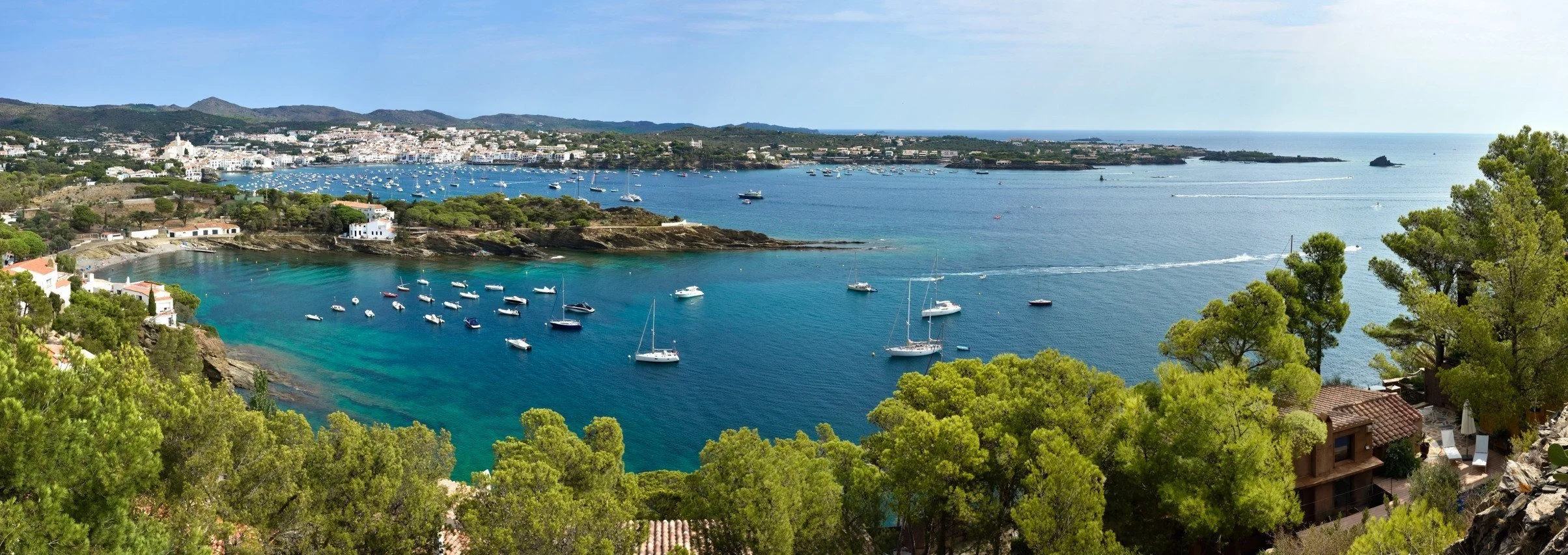
Spain, a land of vibrant culture, delicious cuisine, and stunning landscapes, boasts a seemingly endless coastline dotted with charming towns. Choosing which coastal town in Spain to visit can be a delightful, yet sometimes overwhelming, task. Each town offers a unique blend of history, natural beauty, and local traditions, making the timing of a visit a crucial factor in shaping the overall experience. This exploration delves into the significance of seasonal variations and climate patterns and highlights the unique offerings of a coastal town in Spain throughout the year.
Unveiling the Allure of a Coastal Town in Spain
The appeal of a coastal town in Spain lies in its ability to offer a diverse range of experiences. From sun-drenched beaches and crystal-clear waters to historical landmarks and lively festivals, these towns cater to a variety of interests. The pace of life is often slower, emphasizing relaxation and enjoyment of the simple pleasures, like savoring fresh seafood, strolling along thepromenade, and watching the sunset over the Mediterranean Sea or the Atlantic Ocean. However, the specific charm and character of each town can be significantly influenced by the time of year.
The Dance of the Seasons: Climate and Weather Patterns
Understanding the climate of a coastal town in Spain is fundamental to planning a successful trip. The Spanish coastline experiences a Mediterranean climate, characterized by hot, dry summers and mild, wet winters. However, regional variations exist, particularly between the northern and southern coasts.
Summer (June - August): Sun-Kissed Bliss
Summer is the peak season in most coastal towns. Temperatures soar, sunshine is abundant, and the beaches become a hub of activity. The Mediterranean Sea warms up to inviting temperatures, ideal for swimming, sunbathing, and water sports. Evenings are balmy, perfect for enjoyingtapason outdoor terraces and experiencing the vibrant nightlife.
Autumn (September - November): A Gentle Transition
Autumn brings a welcome respite from the summer heat. Temperatures gradually cool down, the crowds thin out, and the sea remains warm enough for swimming in the early months. The landscape takes on a golden hue, creating a picturesque backdrop for hiking and exploring the surrounding countryside. Rainfall increases, but it is generally interspersed with sunny days.
Winter (December - February): Mild and Tranquil
Winter in coastal Spain is relatively mild compared to many other parts of Europe. While swimming is generally off the cards, the weather is still pleasant enough for outdoor activities like walking, cycling, and exploring historical sites. Rainfall is more frequent, but there are still plenty of sunny days to enjoy. This is a time of peace and quiet, offering a chance to experience the authentic local culture without the tourist crowds.
Spring (March - May): A Blooming Paradise
Spring is a delightful time to visit. The weather warms up, the flowers bloom, and the landscape comes alive with color. The beaches are less crowded than in summer, and the sea begins to warm up, making it suitable for swimming towards the end of the season. This is an ideal time for hiking, cycling, and exploring the natural beauty of the region.
Peak Season vs. Off-Peak Season: Weighing the Pros and Cons
Deciding whether to visit a coastal town in Spain during peak or off-peak season depends on individual preferences and priorities. Each season offers distinct advantages and disadvantages.
Peak Season (Summer): The Buzz of Activity
Pros
Guaranteed Sunshine: Abundant sunshine and warm temperatures make it ideal for beach lovers and water sports enthusiasts. Vibrant Atmosphere: The towns come alive with tourists, creating a lively and festive atmosphere. Extended Opening Hours: Restaurants, shops, and attractions often have extended opening hours during the summer months. Numerous Events and Festivals: Summer is a popular time for festivals, concerts, and other events.
Cons
Crowds: Beaches and attractions can be very crowded, particularly in popular destinations. Higher Prices: Accommodation, flights, and activities are generally more expensive during peak season. Heat: The heat can be intense, especially in inland areas. Less Authentic Experience: The influx of tourists can sometimes detract from the authentic local culture.
Off-Peak Season (Autumn, Winter, Spring): A More Intimate Experience
Pros
Fewer Crowds: Enjoy a more relaxed and intimate experience with fewer tourists. Lower Prices: Accommodation, flights, and activities are generally more affordable. Pleasant Weather: The weather is often mild and sunny, ideal for outdoor activities. Authentic Local Culture: Experience the true character of the town without the tourist crowds. Opportunities for Exploration:The cooler temperatures are perfect for hiking, cycling, and exploring the surrounding countryside.
Cons
Unpredictable Weather: The weather can be more unpredictable, with a higher chance of rain. Shorter Opening Hours: Some restaurants, shops, and attractions may have shorter opening hours or be closed altogether. Fewer Events and Festivals: There are generally fewer events and festivals during the off-peak season. Sea Temperature: The sea temperature may be too cold for swimming, particularly in winter.
Special Events, Festivals, and Natural Phenomena: Timing is Everything
Certain coastal towns in Spain are known for specific events, festivals, or natural phenomena that can significantly enhance a visit.
Las Fallas (Valencia): A Fiery Spectacle
Valencia's Las Fallas, held in March, is a world-renowned festival featuring elaborate papier-mâché figures that are set ablaze in a spectacular display of fireworks and revelry. This is a unique cultural experience that attracts visitors from all over the world.
Semana Santa (Andalusia): A Religious Procession
Semana Santa, or Holy Week, is celebrated throughout Spain, but is particularly impressive in Andalusia. Elaborate religious processions wind through the streets, creating a solemn and moving spectacle.
La Tomatina (Buñol): A Tomato Fight Extravaganza
La Tomatina, held in Buñol (near Valencia) in August, is the world's largest tomato fight. Thousands of people gather in the town square to throw tomatoes at each other in a messy and chaotic celebration.
Whale Watching (Strait of Gibraltar): A Marine Adventure
The Strait of Gibraltar is a prime location for whale watching, particularly between July and October when various species migrate through the area.
Bird Migration (Various Locations): A Natural Wonder
Several coastal areas in Spain are important stopover points for migratory birds. Visiting during the spring or autumn migration seasons offers the opportunity to witness this spectacular natural phenomenon.
Unique Seasonal Attractions and Activities
Beyond the major events and festivals, each season offers its own unique attractions and activities.
Summer: Beach Bliss and Water Sports
Summer is all about enjoying the beaches and the sea. Swimming, sunbathing, surfing, paddleboarding, and boat trips are all popular activities.
Autumn: Hiking and Wine Tasting
Autumn is an ideal time for hiking in the coastal mountains and exploring the vineyards. Many regions host wine harvest festivals during this season.
Winter: Cultural Exploration and Culinary Delights
Winter is a great time to explore the historical sites, museums, and art galleries. It's also a good opportunity to indulge in the local cuisine, particularly hearty stews and seafood dishes.
Spring: Blooming Landscapes and Outdoor Adventures
Spring is perfect for exploring the natural parks and gardens, which are bursting with color. Hiking, cycling, and birdwatching are all popular activities.
Expert Insights: The Significance of Timing
The timing of a visit to a coastal town in Spain can have a profound impact on the overall experience. Traveling during the off-peak season offers a more authentic and relaxed experience, allowing visitors to connect with the local culture and enjoy the natural beauty of the region without the crowds. However, peak season provides a vibrant and festive atmosphere, with guaranteed sunshine and a wide range of events and activities.
Ultimately, the best time to visit depends on individual preferences and priorities. Consider what is most important – whether it is warm weather, fewer crowds, cultural immersion, or budget-friendliness – and plan accordingly. Consulting travel guides and online resources can provide valuable insights into the specific characteristics of each coastal town and help make an informed decision. Remember to check local event calendars for festivals and celebrations that might coincide with the visit.
By carefully considering the seasonal variations, climate patterns, and special events, visitors can ensure a memorable and rewarding experience in a coastal town in Spain, creating lasting memories of its beauty, culture, and charm. The allure of a Spanish coastal town extends beyond its sandy beaches; it's a tapestry woven with threads of history, culture, and natural splendor, all of which are amplified or subtly shifted depending on the season. So, plan wisely, and immerse yourself in the magic of coastal Spain.


Comments
Post a Comment